Buy-to-let property investment has long been popular in London, particularly in the northern boroughs, where strong rental demand meets good transport links and thriving communities. However, with rising interest rates, new regulations, and changing market conditions, many investors are asking: Is buy-to-let in North London still a smart investment in 2026?
In this guide, we’ll explore the current rental yields, market trends, risks, and opportunities to help investors understand whether North London remains a worthwhile property investment.

The Current State of the Buy-to-Let Market in London
Despite economic uncertainty, the rental market in London continues to remain resilient. Rising housing costs and a limited supply of rental properties have helped maintain strong rental income for landlords. Over the past five years, UK housing costs have risen significantly, with private renters paying about £81 billion annually in rent, highlighting the scale of the rental market.
However, the market has also seen new pressures. Higher mortgage rates and upcoming regulations such as the Renters’ Rights Act are influencing some landlords to exit the market or reconsider their investment strategies.
For investors entering the market today, careful analysis and long-term planning are more important than ever.
Average Rental Yields in North London
One of the most important factors for buy-to-let investors is rental yield—the annual rental income relative to the property price.
In North London, yields typically vary depending on the borough and property type:
-
Prime areas (Islington, Highbury, Camden): around 3–4.7%
-
Family areas (Barnet, Haringey, Enfield): around 4.5–5.5%
-
High-yield pockets (Tottenham, parts of Enfield): up to 6–6.5%
While these yields may appear lower compared to northern UK cities, London investments often prioritise long-term capital appreciation rather than purely high rental yield.
Areas in North London Attracting Investors in 2026
Several neighbourhoods in North London continue to attract property investors thanks to regeneration projects, transport connections, and strong tenant demand.
Tottenham
Tottenham is one of the highest-yielding areas in North London, with rental yields reaching around 6.5% in some postcodes. Regeneration projects and improved transport links continue to drive demand.

Enfield
Enfield offers a more affordable entry point for investors, with yields close to 5.6–5.8% and good commuter connections via the Overground and nearby motorways.

Hackney and Dalston
Creative hubs like Hackney attract young professionals and renters working in tech, media, and creative industries, supporting consistent rental demand.
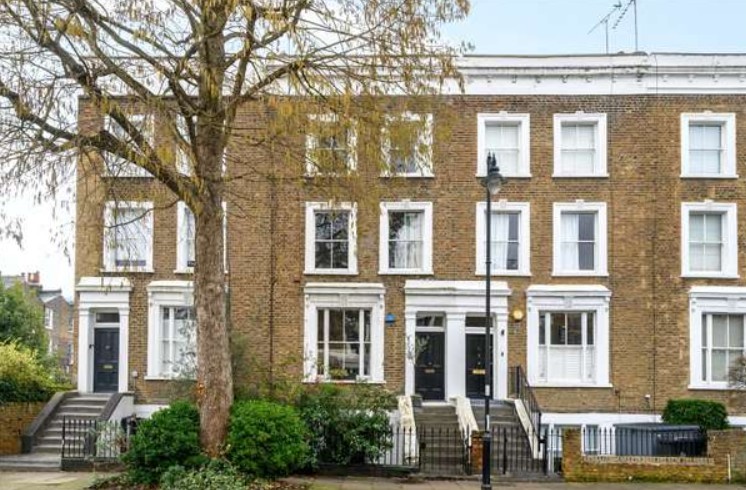
These areas combine relatively lower property prices with strong rental demand, making them appealing to buy-to-let investors.
Key Advantages of Investing in North London
Strong Rental Demand
London continues to experience a shortage of rental properties, especially in well-connected areas close to the city centre.
Long-Term Capital Growth
Even if rental yields are moderate, property values in London historically appreciate over time, making buy-to-let attractive for long-term investors.
Diverse Tenant Market
North London attracts a wide range of tenants, including:
-
Young professionals
-
Families
-
Students
-
International renters
This diversity helps reduce vacancy risks.
Challenges Buy-to-Let Investors Should Consider
While opportunities exist, investors must also consider potential risks.
Higher Mortgage Rates
Mortgage costs have increased significantly in recent years, with many landlords seeing payments rise as fixed-rate deals expire.
New Regulations
Upcoming reforms in the rental sector may increase compliance costs for landlords and reduce flexibility in managing properties.
Lower Yields Compared to Other Cities
Cities in Northern England often offer higher yields (7–10%), while London typically delivers 3.5–5% yields but stronger long-term capital appreciation.
Is Buy-to-Let in North London Still Worth It?
For many investors, the answer is yes—but with a strategic approach.
North London remains attractive because of:
-
Consistent rental demand
-
Global reputation as a property market
-
Regeneration projects improving local areas
-
Long-term capital growth potential
However, successful investors in 2026 will need to focus on careful property selection, realistic financial planning, and long-term investment strategies.